An Exciting New Era for the High Seas
Blog
By Grace Reville, Blue Nature Alliance High Seas Lead
History is being written on the waves. With 60 countries now having ratified, the BBNJ Agreement is set to enter into force, ushering in one of the most extraordinary milestones in the history of international ocean governance. Officially entering into force in January 2026, 120 days after the 60th ratification was deposited, the long-awaited Agreement will no longer be an aspiration, but the law of the sea.
For decades, the high seas – covering nearly half of Earth’s surface – have been a realm of wonder and mystery, but also one of vulnerability. Beyond any single nation’s jurisdiction, they have too often been left exposed to exploitation without adequate safeguards. That chapter is now closing, and a new era of shared responsibility and collaborative stewardship is beginning.
The BBNJ Agreement rests on four powerful pillars: area-based management tools (ABMTs), marine genetic resources, environmental impact assessments, and capacity building and the transfer of marine technology. Together, these provisions open the door to transformative change:
- For the first time, nations will be able to establish holistically protective ABMTs, including marine protected areas (MPAs), to safeguard ecologically or biologically significant regions in areas beyond national jurisdiction.
- Activities that could cause serious harm will be subject to rigorous environmental impact assessments.
- A fair system of benefit-sharing will ensure that discoveries and financial benefits from marine genetic resources are accessible to all.
- Strong commitments to capacity building and technology transfer will expand access to ocean science and technology, empowering countries everywhere to participate in high seas governance.
- And by enhancing cooperation and coordination with existing regional and global frameworks, the Agreement will fill critical governance gaps while strengthening monitoring and enforcement collectively.
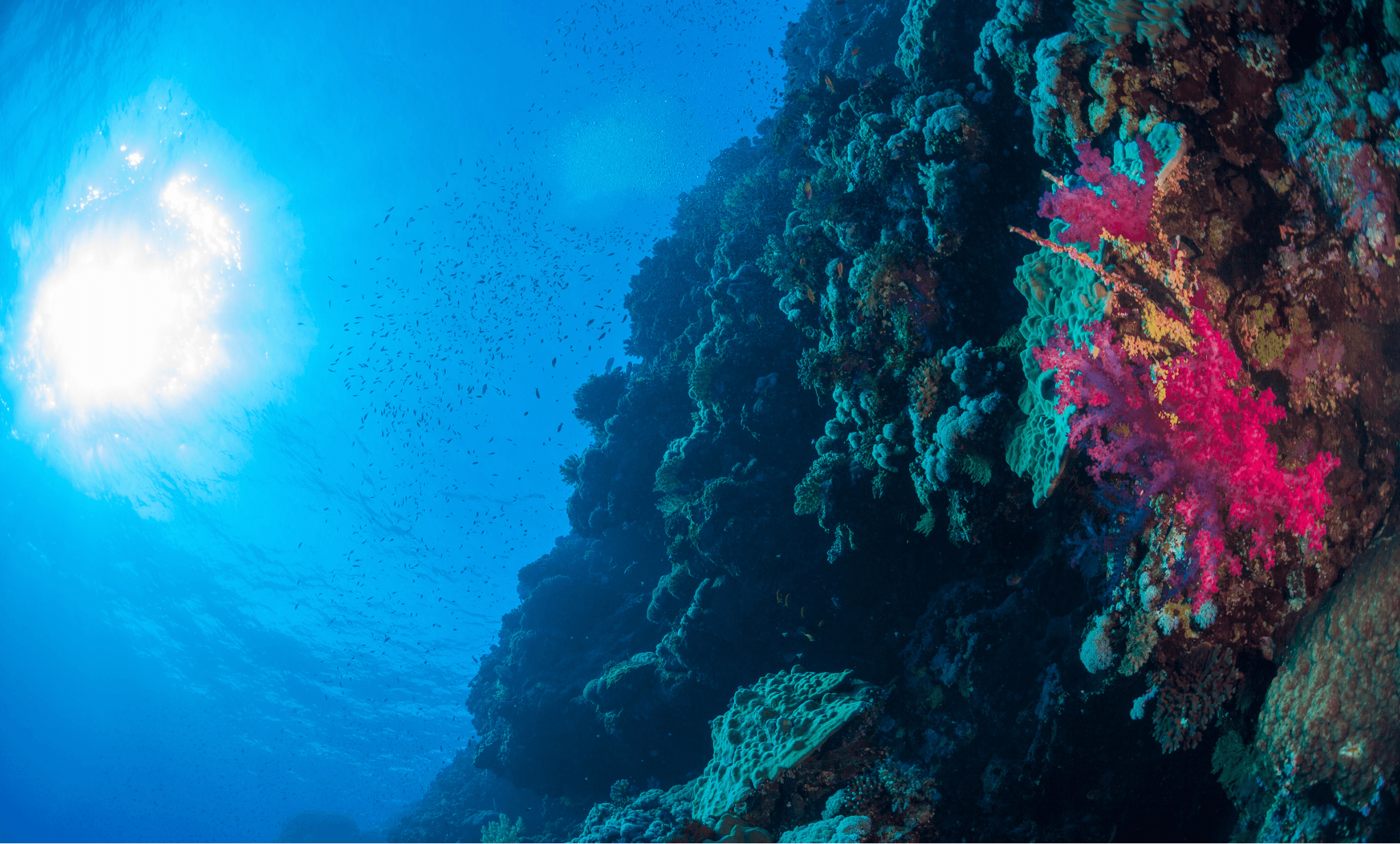
Taken together, these breakthroughs mean that the most remote whale migration corridors, the deepest coral gardens, and the most mysterious mid-ocean ridges can finally be safeguarded with the connectivity and care they deserve.
The Agreement is also a critical enabler of the Kunming-Montreal Global Biodiversity Framework, adopted under the UN Convention on Biological Diversity, and its goal of protecting 30% of the earth’s lands and sea by 2030. With these types of protections in the high seas now feasible, countries have the potential to knit together a representative, well connected, and equitably governed global network of MPAs.
The Blue Nature Alliance is proud to have joined other funders in pledging support for implementation of this Agreement, with a particular focus on supporting partners to advance early high seas MPA efforts. As the world prepares for the first BBNJ Conference of the Parties within a year of entry into force, we look forward to continuing our work with partners to realize the Agreement’s provisions.
But for now, it’s worth pausing to savor this moment. The world has just agreed, at last, to protect the very heart of our blue planet. For whales, sharks, turtles, seabirds – and for future generations alike – this is a reason to celebrate.
Here’s to a new chapter for the high seas: one of cooperation, conservation, and hope.