Earth Day 2026: Four Signs of Progress for Ocean Conservation
Blog
Each Earth Day brings renewed attention to the scale of the environmental challenges we face, and the urgency of addressing them. From climate change to biodiversity loss, the need for durable, long-term solutions has never been clearer.
The ocean is central to that effort. It regulates our climate, supports livelihoods, and sustains extraordinary biodiversity. And recently, the global community reached a notable milestone: 10% of the ocean is now within protected or conserved areas.
That progress matters, but it comes with a caveat. Protection on paper does not always translate into protection in practice. The real measure of success lies in how well these areas are managed, financed, and sustained over time.
This Earth Day, we’re highlighting four developments across sites supported by Blue Nature Alliance that reflect meaningful steps in that direction – where protection is moving closer to being effective, and built to last.
1 - Canada: Expanding and Securing Ocean Protections in the Arctic
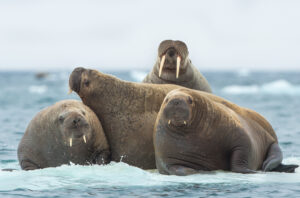
In Canada, local leaders and rights-holders have worked with the Government of Canada and partners, including Oceans North, to expand marine protected areas and strengthen their governance and management. Now, more than 115,826 km² of ocean has been newly protected, advancing towards stronger conservation outcomes, including improved management of other existing areas.
New MPAs like Qikiqtait and Sarvarjuaq are also being supported by long-term financing approaches, including a Project Finance for Permanence.
At the national level, Canada has reinforced this progress through a renewed commitment to conservation by publishing its comprehensive nature protection strategy that reaffirms its commitment to conserving 30% of its lands and oceans by 2030 and centers local leadership and partnership in delivering and sustaining these efforts. Backed by a multibillion-dollar federal investment, the strategy sets out the ambitious targets to protect vast areas of land and ocean over the coming years.
Taken together, these developments demonstrate how local leadership, durable protections, and strong partnerships can result in expanded safeguards and sustained effective management, resulting in lasting conservation outcomes.
2 - Brazil: Advancing Protection in the South Atlantic
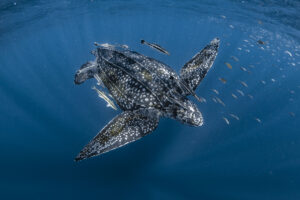
In March 2026, Brazil established the Albardão Marine National Park, protecting more than 10,000 km² of ocean along its southern coast. The area is a critical habitat for threatened marine species, including sharks and rays, sea turtles, and the critically endangered La Plata dolphin.
The designation follows more than two decades of scientific research, stakeholder engagement, and institutional coordination. With support from numerous organizations including Conservation International Brazil, Núcleo de Educação e Monitoramento Ambiental (NEMA) and the Blue Nature Alliance, this long-term effort helped build the case for protection and align the necessary actors to bring it into force.
As Brazil’s largest fully protected marine area, Albardão represents an important step forward, not only in expanding protection, but in demonstrating how sustained collaboration can translate ambition into concrete outcomes.
3 - French Polynesia: Building the Foundations for Long-Term Protection
French Polynesia’s Te Tai Nui Atea Marine Park, spanning 4.5 million km², is the largest MPA in the world and anchors one of the most extensive networks of fully and highly protected areas in the South Pacific. Within it sits a 1.2 million km² highly and fully protected zone, the largest of its kind globally, and a major contribution toward the 30×30 biodiversity target. Following its landmark designation, attention has turned to ensuring the park is effectively managed and supported over the long term.
In 2025, the Government of French Polynesia formalized a partnership with a coalition of local and international partners, including the Blue Nature Alliance and Pew Bertarelli Ocean Legacy, to engage immediate action on the ground, stand-up effective management and to design sustainable financing solutions for the park. This includes the development of an autonomous conservation fund to support ongoing management and implementation.
Alongside these efforts, partners are supporting the French Polynesia Government’s ambition and efforts to secure additional highly or fully protected areas within the broader park. This next phase reflects a critical transition, from global announcement to the systems and resources needed to make protection durable in practice.
4 - Costa Rica: Strengthening Management at Cocos Island
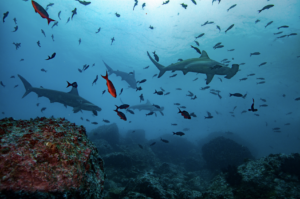
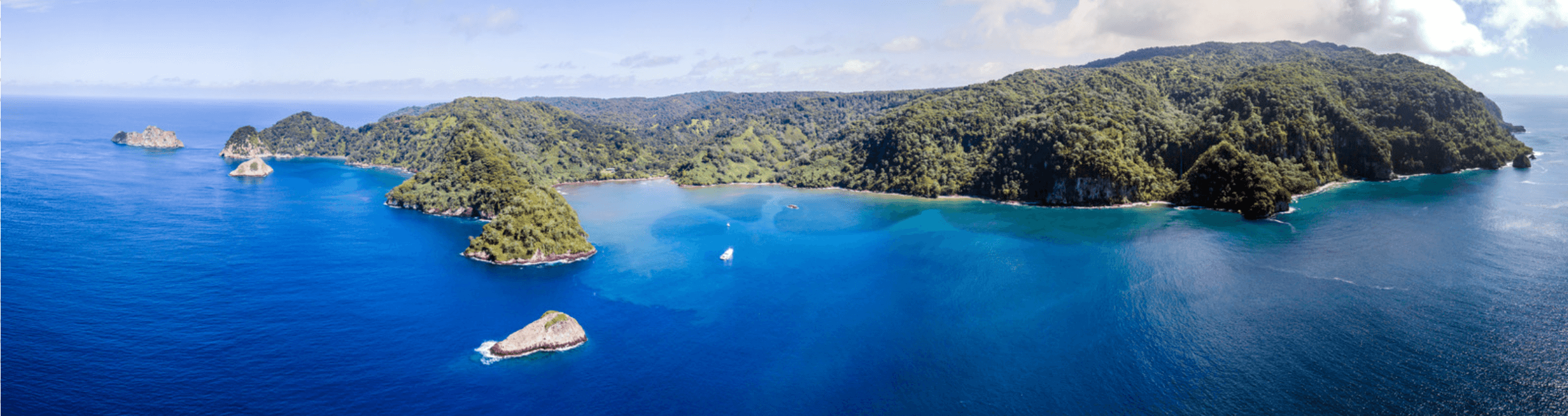
Cocos Island, off Costa Rica’s Pacific coast, is one of the most important marine ecosystems in the Eastern Tropical Pacific. After key successful efforts from the country and partners to expand ocean protections around this iconic area in 2022, which consequently increased national protections from 2.6% to almost 30%, the focus has shifted to ensuring those protections are effectively managed and sustained.
Through collaboration between national agencies, Cocos Marine Conservation Area regional council, local partners, such as Friends of Cocos Island, Conservation International Costa Rica and the Blue Nature Alliance, management has been advancing across both the Cocos Island National Park and the Bicentennial Marine Management Area, which together comprehend an area of approximately 161,000 km². This has included the development and approval of comprehensive management plans, investments in institutional capacity, and the establishment of a coordinated monitoring, control and surveillance strategy.
To support long-term sustainability, Re:wild, Bezos Earth Fund, Gordon and Betty Moore Foundation, Pew Bertarelli Ocean Legacy, The Wyss Foundation and Forever Costa Rica Association also advanced the Costa Rica Blue Fund, securing $10 million through 2030 to help finance ongoing management and ocean-based livelihoods. Together, these efforts mark a shift from designation to implementation, helping ensure protections are durable over time.
Looking Ahead
Together, these developments are meaningful milestones, but they are also reminders that ocean conservation is not defined by single moments of progress. As the global community works toward protecting 30% of the ocean by 2030, the priority is clear: not only expanding coverage, but ensuring that protection is real, effective, and built to last.