French Polynesia Announces Historic Marine Protections in Austral and Marquesas Islands
New designations mark the world's largest contribution to the 30x30 goal
Press Releases
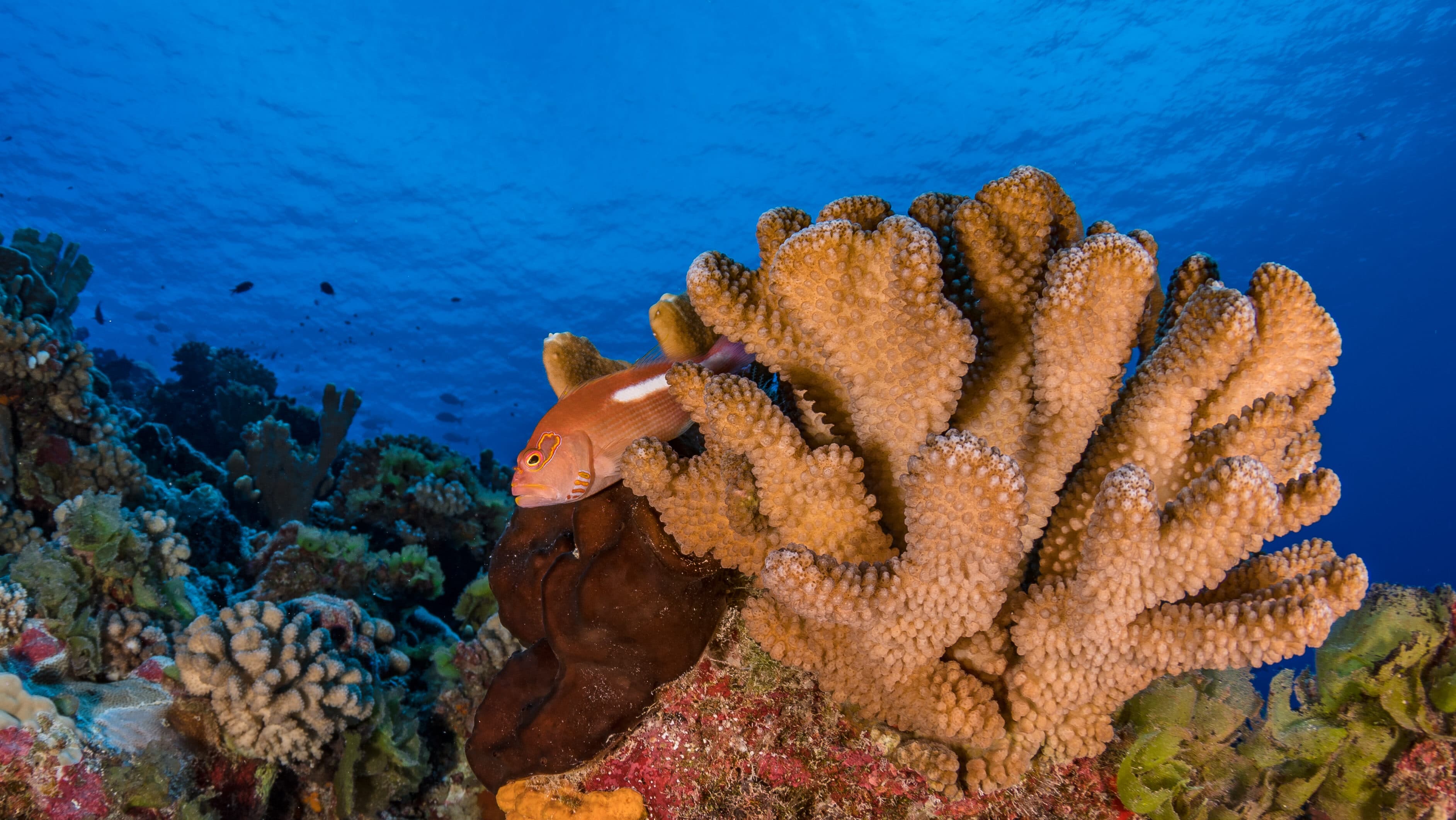
© OceanImageBank/HannesKlostermann
A statement from Laure Katz, Executive Director of the Blue Nature Alliance:
This World Oceans Day, the Blue Nature Alliance celebrates French Polynesian President Moetai Brotherson's announcement of new, fully protected marine protected areas (MPAs) spanning 515,000 square kilometers (199,000 square miles) across the Austral and Marquesas Islands – two of the most remote and biologically extraordinary archipelagos on Earth.
Today's designations deliver above and beyond the landmark commitment President Brotherson made last year, when he announced the creation of the world's largest MPA encompassing French Polynesia's entire exclusive economic zone of nearly 5 million square kilometers, including 1.1 million square kilometers under highly or fully protected status. With these new designations, French Polynesia raises the total area under the highest levels of protection beyond President Brotherson's commitment, marking the single largest contribution to the global 30x30 goal.
The Austral and Marquesas Islands have long been recognized by scientists, conservationists, and local communities alike as among the most ecologically significant ocean environments on the planet. The Marquesas, designated a UNESCO World Heritage Site in 2024, sustain some of the highest concentrations of endemic marine species in the Indo-Pacific, and serve as vital habitat for endangered sharks, whales, dolphins, and sea turtles, as well as key spawning grounds that help replenish tuna stocks across the broader Pacific. The Austral Islands, bridging tropical and temperate zones, host ecosystems found nowhere else in French Polynesia, including waters around Rapa that remain one of the very few places on Earth where large marine predators still dominate the food web as nature intended.
These protections are also deeply rooted in the will and wisdom of local communities. For a decade, island councils across both archipelagos have championed these designations, not as an outside conservation agenda, but as an expression of their own traditions of ocean stewardship. The Polynesian practice of rāhui, which allows marine ecosystems to recover through carefully managed restrictions on human activity, has guided communities in these islands for generations. Today's announcement honors that heritage while preserving the artisanal fishing rights that remain central to local food security and culture.
Beyond their ecological value, these new MPAs are a forward-looking investment. Keeping those ocean ecosystems as intact as possible in this part of the Pacific will makes these waters increasingly valuable as source populations that can help ecosystems elsewhere recover, as buffers against adverse climate change effects, and overall, as a support system to sustain local livelihoods.
The Blue Nature Alliance commends the long-term engagement of our partner Pew Bertarelli Ocean Legacy, whose sustained advocacy and community engagement in the Austral and Marquesas Islands helped make this achievement possible. We are also proud to be supporting the government as part of the Te Moana Collective, a group of funders who committed last year to jointly support French Polynesia’s vision. We look forward to the road ahead: implementation and long-term stewardship of these protected areas, ensuring their benefits endure for people and nature.