Partner Profile: Coral Reefs of the High Seas Coalition
Securing the Future of High Seas Coral Reefs Through Science and Collaboration
Blog
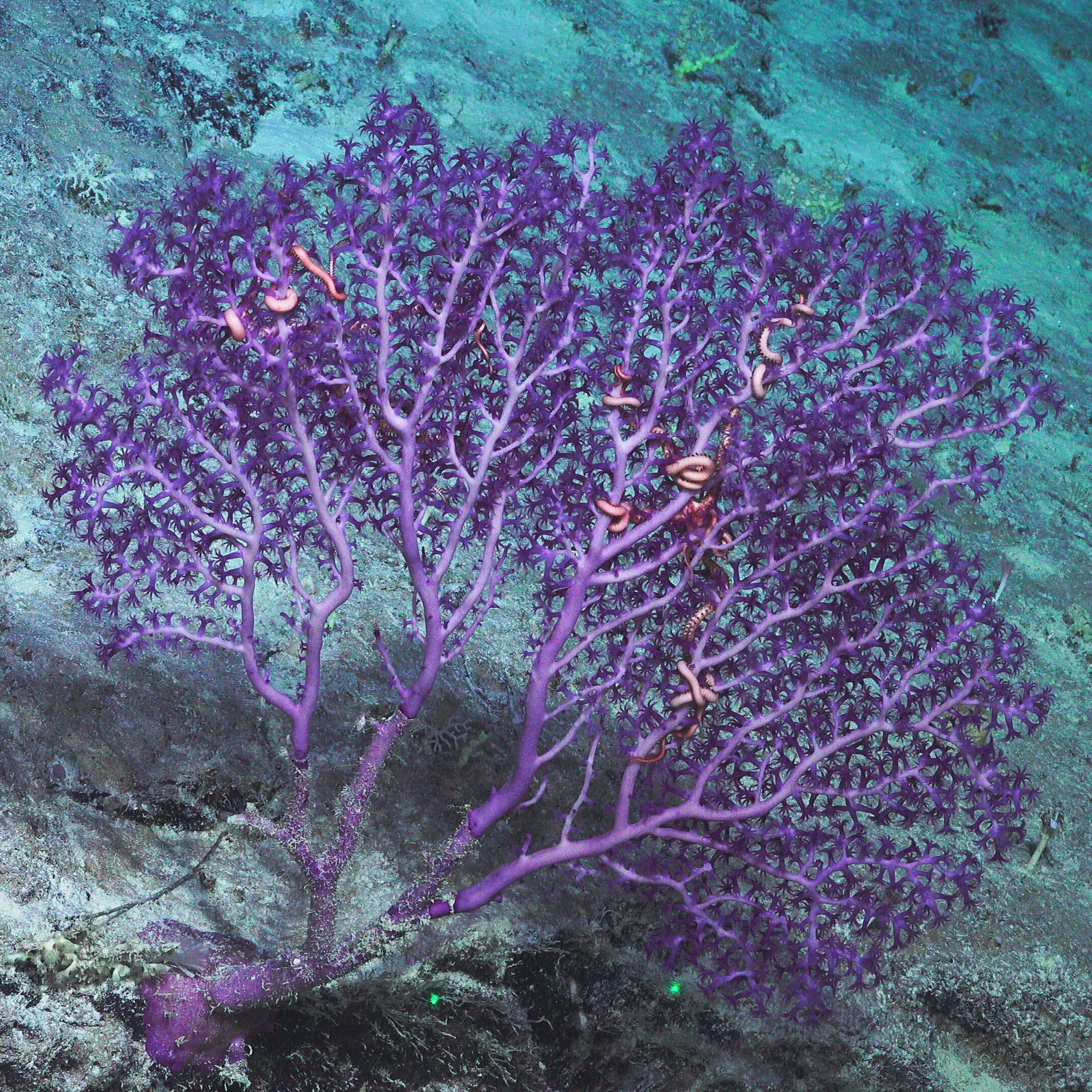
© Schmidt Ocean Institute
For generations, coral reefs have been understood as coastal ecosystems, places tied to shorelines, communities, and national waters. Yet far beyond these boundaries, in the deep and open ocean, lies another world of coral reefs: remote, largely unseen, and almost entirely unprotected. These high seas ecosystems support rich biodiversity and play a critical role in ocean health, but until recently, they have remained outside the reach of meaningful conservation.
The emergence of the new High Seas Treaty has begun to change that reality. The Coral Reefs of the High Seas Coalition is working to ensure that this moment translates into action, bringing together science, policy, and international collaboration to identify, elevate, and protect these overlooked ecosystems. In the Q&A below, we hear from our Coral Reefs of the High Seas Coalition partners about their work to extend durable ocean protection beyond national borders.
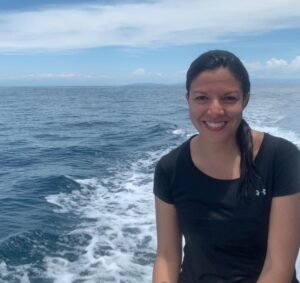
Haydée Rodríguez-Romero is Director of the Coral Reefs of the High Seas Coalition and an environmental lawyer focused on translating science into policy that protects people and nature. Since 2001, she has worked with civil society on water and sanitation rights, marine spatial planning, sustainable fisheries, marine species protection, climate change, and public participation. From 2018 to 2021, she served as Vice Minister for Water and the Ocean in Costa Rica, advancing marine conservation policy and elevating ocean issues nationally and globally. She has led international negotiations on biodiversity beyond national jurisdiction and helped advance ocean-based solutions within climate action.
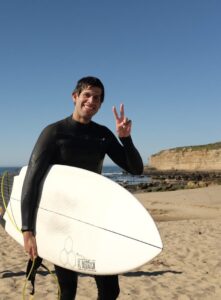
Vasco Chavez-Molina is the Manager for the High Seas Program at Conservation International and an Adjunct Professor of Environmental Governance at the University of Colorado Boulder. Born and raised in Lima, Peru, and spending much of his time in the ocean, whether fishing or surfing, inspired his career in marine governance. His work bridges science and policy, advancing solutions for marine governance and fisheries management under United Nations treaties and regional fishery management organizations.
Tell us about your organization and its mission. What inspires and drives your work in the high seas?
Chavez-Molina: The Coral Reefs of the High Seas Coalition (CRHS) focuses on protecting unique and biologically important reef ecosystems in areas beyond national jurisdiction. Established in 2018, prior to the entry into force of the Biodiversity Beyond National Jurisdiction (BBNJ) Agreement, CRHS was formed to ensure that once the agreement came into effect, the necessary research, sectoral engagement, and frameworks would be in place to submit proposals for high seas protections under the BBNJ Conference of the Parties.
A key priority area identified by the Coalition is the Salas y Gómez and Nazca Ridges. For years, we have advanced scientific research and sectoral engagement under the South Pacific Regional Fisheries Management Organization (SPRFMO) and are now preparing a marine protected area (MPA) proposal under BBNJ. As an organization, we are inspired by the opportunity to safeguard high seas ecosystems that have historically lacked legal protection, leveraging new international legal pathways to conserve biodiversity beyond national jurisdiction. Currently, Conservation International holds the CRHS Secretariat.
How did your collaboration with the Blue Nature Alliance begin, and what has it enabled or strengthened?
Rodríguez-Romero: Since 2024, our collaboration with the Blue Nature Alliance has played a pivotal role in strengthening both the strategic and operational dimensions of the Salas y Gómez and Nazca Ridges protection efforts. The partnership was established to support the implementation of protection strategies in the region, with an emphasis on building the scientific foundations of the proposal and advancing engagements with key governance bodies, such as SPRFMO.
Beyond this, CRHS has come to see the Blue Nature Alliance as a critical thought partner, one that brings not only technical expertise but also strategic insight to help us continuously refine, and where necessary, pivot our approach in a rapidly evolving policy landscape. This collaboration has also been instrumental in expanding and deepening our relationships with a wide range of stakeholders, from national governments to indigenous people and local communities ensuring that the initiative is both inclusive and grounded in diverse perspectives. Overall, the partnership has enhanced our ability to move forward with a more coordinated and adaptive strategy for the long-term protection of the Salas y Gómez and Nazca Ridges.
Now that the High Seas Treaty (BBNJ Agreement) has entered into force, how do you expect your work to evolve under this new global framework?
Chavez-Molina: Now that the BBNJ Agreement has entered into force, our work is entering a critical new phase. Well before the Agreement was a reality, the Coalition had been laying out the groundwork, advancing the scientific evidence, diplomatic engagement, and stakeholder coordination needed to position the Salas y Gómez and Nazca Ridges as a leading candidate for a high seas MPA. With the Agreement now in force, this site is emerging as one of the most advanced and viable proposals for an early high seas MPA designation. Over the past year, CRHS has worked in partnership with the Chilean government to convene national, regional, and international workshops aimed at consolidating the scientific and policy foundations of the proposal, incorporating diverse perspectives, and building strong regional ownership around the importance of protecting this unique and biodiverse ecosystem.
The BBNJ Agreement provides an unprecedented legal mechanism to conserve biodiversity beyond national jurisdiction. In this context, we are now focused on translating years of preparatory work into a robust, science-based, and politically supported proposal that can advance the protection of the Salas y Gómez and Nazca Ridges under this new global framework.
From your perspective, what is the most significant challenge or opportunity facing high seas conservation today?
Chavez-Molina: From my perspective, a challenge, one that extends beyond BBNJ to international policy and marine governance more broadly, is the time required for tangible conservation outcomes under multilateral frameworks. The key opportunity now is in implementation, particularly in ensuring effective coordination between the BBNJ framework and existing sectoral bodies such as Regional Fisheries Management Organizations, the International Maritime Organization, and the International Seabed Authority. Strengthening this alignment will be essential to translating global ambition into tangible conservation outcomes.
At CRHS, we are actively contributing to this effort through our engagement in SPRFMO, where we are helping bridge discussions between fisheries management and broader biodiversity conservation objectives under BBNJ.
How do collaborations with the Alliance and other partners, including local communities and Indigenous Peoples, shape or inform your approach?
Chavez-Molina: Collaborations with the Alliance and other partners, including local communities and Indigenous Peoples, are central to shaping and informing our approach. The Alliance’s support has been integral to our success, from facilitating connections with Indigenous Peoples and Local Communities and government stakeholders worldwide to providing strategic guidance, technical expertise, and active engagement in workshops and multilateral governance processes. While the Alliance serves as a funder, we also view them as a true partner. They are deeply invested in our success and consistently go above and beyond to provide the support needed to advance our work.
What’s next for your organization? What priorities or innovations are on the horizon?
Rodríguez-Romero: Looking ahead, we are building momentum behind the Salas y Gómez and Nazca Ridges campaign, expanding into new high seas priority areas, and beginning to put pen on paper for an early MPA proposal under the BBNJ framework. These efforts signal an ambitious next phase, grounded in collaboration, innovation, and a clear commitment to securing meaningful protection for critical ocean ecosystems.